In today’s dynamic business environment, organizations face a diverse portfolio of projects—from small, tactical initiatives to massive, strategic transformations. A Project Management Office (PMO) is often tasked with standardizing practices, yet rigidly applying a single project management methodology across all these varied endeavors can stifle innovation, create unnecessary overhead, and even lead to project failure. This is where the powerful concept to tailor a PMO Strategy comes into play.
For a PMO, embracing tailoring is not about abandoning structure; it’s about building a flexible, intelligent framework that ensures the right level of governance and process is applied to each unique project, ultimately driving greater success and demonstrating true value.
What is Tailoring for a PMO Strategy?
PMI defines tailoring as the deliberate selection, adaptation, and application of the appropriate project management processes, tools, techniques, and life cycles for a given project. For a PMO Strategy, tailoring means:
- Establishing a Framework for Adaptation: Instead of enforcing a monolithic methodology, the PMO provides guidelines and options for how project teams can (and should) adapt practices.
- Empowering Project Managers: Giving project managers the authority and guidance to choose the most effective approach for their specific project context.
- Optimizing Resource Allocation: Ensuring that resources (time, money, effort) are spent on valuable project management activities, not on superfluous paperwork or processes.
- Driving Value Realization: Aligning project management practices directly with the project’s objectives and the organization’s strategic benefits.
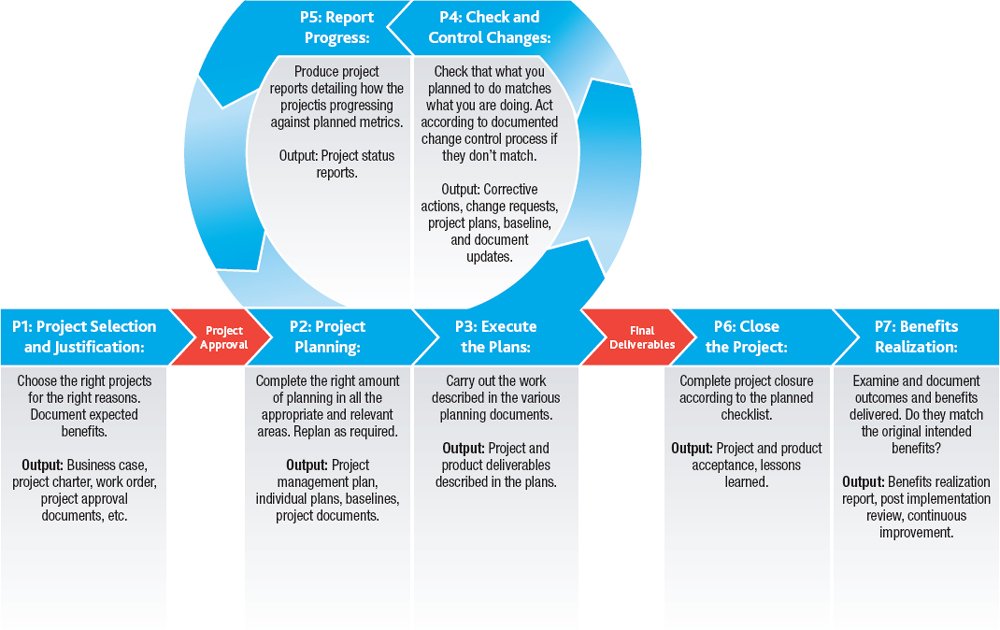
PMO Strategy – Methodology Process Flow Chart – PMI
Why Tailoring is Essential for a Modern PMO?
A PMO that champions tailoring moves beyond being a “process police” to becoming a strategic enabler and a trusted partner. Here is why it’s critical:
- Addresses Project Diversity: Organizations rarely run identical projects. Tailoring acknowledges that a small software update doesn’t need the same rigor as a multi-million dollar infrastructure build.
- Increases Compliance and Adoption: When processes are sensible and fit the project, teams are far more likely to follow them, leading to better data, fewer workarounds, and greater adherence to standards.
- Enhances Efficiency and Reduces Waste: By eliminating unnecessary steps, documentation, and meetings, projects can progress faster, saving time and resources.
- Improves Project Outcomes: A methodology perfectly matched to a project’s needs can lead to better decision-making, more effective risk management, and higher quality deliverables.
- Elevates PMO Credibility: A flexible, value-driven PMO is seen as an asset that supports project success rather than an administrative burden.
- Fosters Agility and Alignment: Even in traditionally structured environments, tailoring allows for pockets of agile approaches where appropriate, enhancing responsiveness to change.
The PMO’s Role in Enabling Effective Tailoring A PMO Strategy does not just permit tailoring; it actively facilitates it. Learn not only why PMO needs a tailoring strategy but also how:
How to Tailor a PMO Strategy?
- Develop a Tailoring Framework for PMO Strategy:
- Project Categorization: Establish clear criteria for classifying projects (e.g., by size, complexity, strategic impact, risk, technology type) to guide initial tailoring decisions.
- Baseline Methodologies/Templates: Provide a “menu” of proven practices, processes, and templates—perhaps a “light” version for small projects, a “standard” for most, and an “intensive” for high-risk/strategic projects.
- Decision Guides: Offer checklists or decision trees to help project managers determine which practices are most relevant (e.g., “If Project Risk > X, then formal Change Control is required”).
- Examples & Patterns: Curate examples of successful tailored approaches from past projects.
- Provide Training and Coaching: Educate project managers and teams on how to effectively tailor. This includes understanding the principles, using the PMO’s framework, and documenting their choices.
- Establish Governance for Tailoring Decisions:
- Approval Process: Define who approves tailoring decisions (e.g., PMO lead, project sponsor, governance committee), ensuring oversight without bureaucracy.
- Documentation Requirements: Specify what needs to be documented regarding the tailored approach and why (e.g., the rationale for deviations).
- Maintain a Knowledge Repository: Collect lessons learned from tailored projects, refining the framework based on real-world outcomes and feedback.
- Continuous Improvement: Regularly review and update the tailoring framework itself to keep it relevant and effective as the organization evolves.
Practical Steps for a PMO to Implement Tailored PMO Strategy
- Inventory Your Projects: Understand the range and types of projects your organization undertakes.
- Define Core Processes: Identify the non-negotiable, essential project management processes required for all projects (e.g., basic scope definition, some form of risk identification).
- Create Tailoring Options: For each non-core process (e.g., detailed resource management, comprehensive stakeholder engagement plan, specific reporting frequency), define different levels of application based on project characteristics.
- Develop Tailoring Checklists/Templates: Provide clear, user-friendly tools for project managers to document their tailored approach and get it approved.
- Pilot the Approach: Roll out the tailoring framework with a few projects first, gather feedback, and refine before a broader implementation.
- Communicate and Evangelize: Clearly articulate the benefits of tailoring to all stakeholders and champion its adoption.
Conclusion on why Your PMO Needs a tailored PMO Strategy
Mastering project management tailoring is a critical step towards becoming a truly strategic partner as a PMO. By moving away from rigid enforcement and towards intelligent adaptation, the PMO empowers project teams, optimizes resource utilization, and significantly increases the likelihood of delivering successful projects that genuinely contribute to organizational goals. Embrace tailoring, and let your PMO Strategy lead the way in building a more agile, efficient, and value-driven project culture.
For more information how to tailor your PMO Strategy successfully please contact us on transform@asiapmo.com or on our contact form.